Random Rewards That Encourage Strategic Play
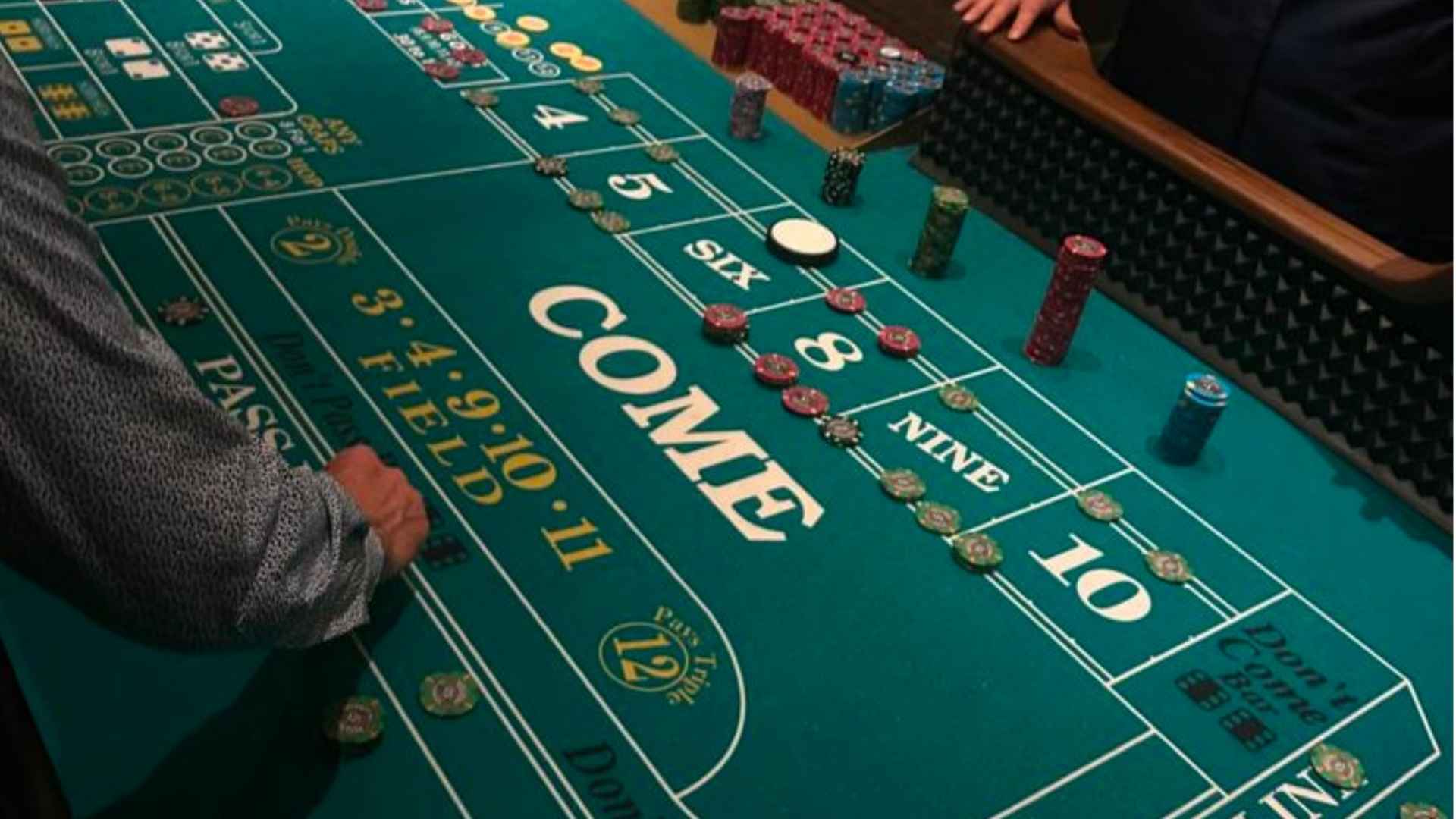
Modern game mechanics are shifting away from predictable patterns to foster deeper analytical thinking among players. While traditional progression systems reward linear effort, introducing unpredictability forces participants to evaluate multiple outcomes simultaneously. This evolution in game design transforms random drops from mere luck into elements that require high-level tactical planning.
The Shift from Luck to Tactical Adaptation
When rewards are entirely predictable, players often rely on optimized, repetitive routines to achieve their goals. By introducing variable incentives, developers encourage gamers to diversify their playstyles and remain highly flexible. This uncertainty demands that individuals analyze their current resources and adjust their long-term approaches dynamically.
Faced with unexpected loot or changing battlefield conditions, players can no longer rely on a single dominant strategy. Instead, they must weigh risks against potential payouts, which elevates the mental engagement of the overall experience. This structural shift ensures that randomness acts as a catalyst for critical thinking rather than a frustrating barrier.
How Uncertainty Enhances Decision Making
Psychological research suggests that outcome uncertainty can significantly increase cognitive control and focus during complex tasks. When the final result is not guaranteed, the human brain actively processes multiple situational variables to mitigate risk. In a gaming context, this means players become more observant and deliberate with their choices.
Strategic depth emerges when a surprise item alters the player's immediate capabilities, prompting a total recalculation of their next moves. Gamers who enjoy analyzing unpredictable situations can utilize the Link M88 Mansion to explore diverse platforms that test tactical adaptability. Ultimately, managing these random occurrences helps individuals build stronger problem-solving skills that apply to various complex environments.
Balancing Skill and Game Randomization
For a game to maintain its competitive integrity, developers must carefully balance pure skill with element-of-chance mechanics. If a random event completely overshadows a player's mastery, the experience can quickly feel unfair and demoralizing. However, when randomness acts as a puzzle to solve, it successfully complements player expertise.
The most successful contemporary titles use chance to create unique scenarios rather than dictate final victories. This method allows skilled participants to demonstrate their superiority by navigating chaotic situations better than their opponents. Consequently, the integration of surprise assets keeps competitive scenes fresh and highly rewatchable over extended periods.
The Future of Dynamic Reward Systems
As artificial intelligence and procedural generation technologies continue to mature, interactive environments will become increasingly personalized. Future reward distribution models will likely analyze player habits in real time to deliver tailored challenges. This progression will ensure that uncertainty remains a powerful tool for fostering clever tactics.
By shifting the focus from repetitive farming to real-time adjustments, game designers are redefining what it means to be a skilled player. The future of digital entertainment relies heavily on this intersection of mathematical probability and human ingenuity. As these systems evolve, players can look forward to more immersive digital worlds that constantly reward creative thinking.